Mechanical & Aerospace Design Engineer with 8+ years at Honda, Suzuki & Aerotrope, taking products from concept to validated prototype. Today I augment that experience with AI — building tools that automate the repetitive parts of engineering and cut design-cycle workload dramatically.
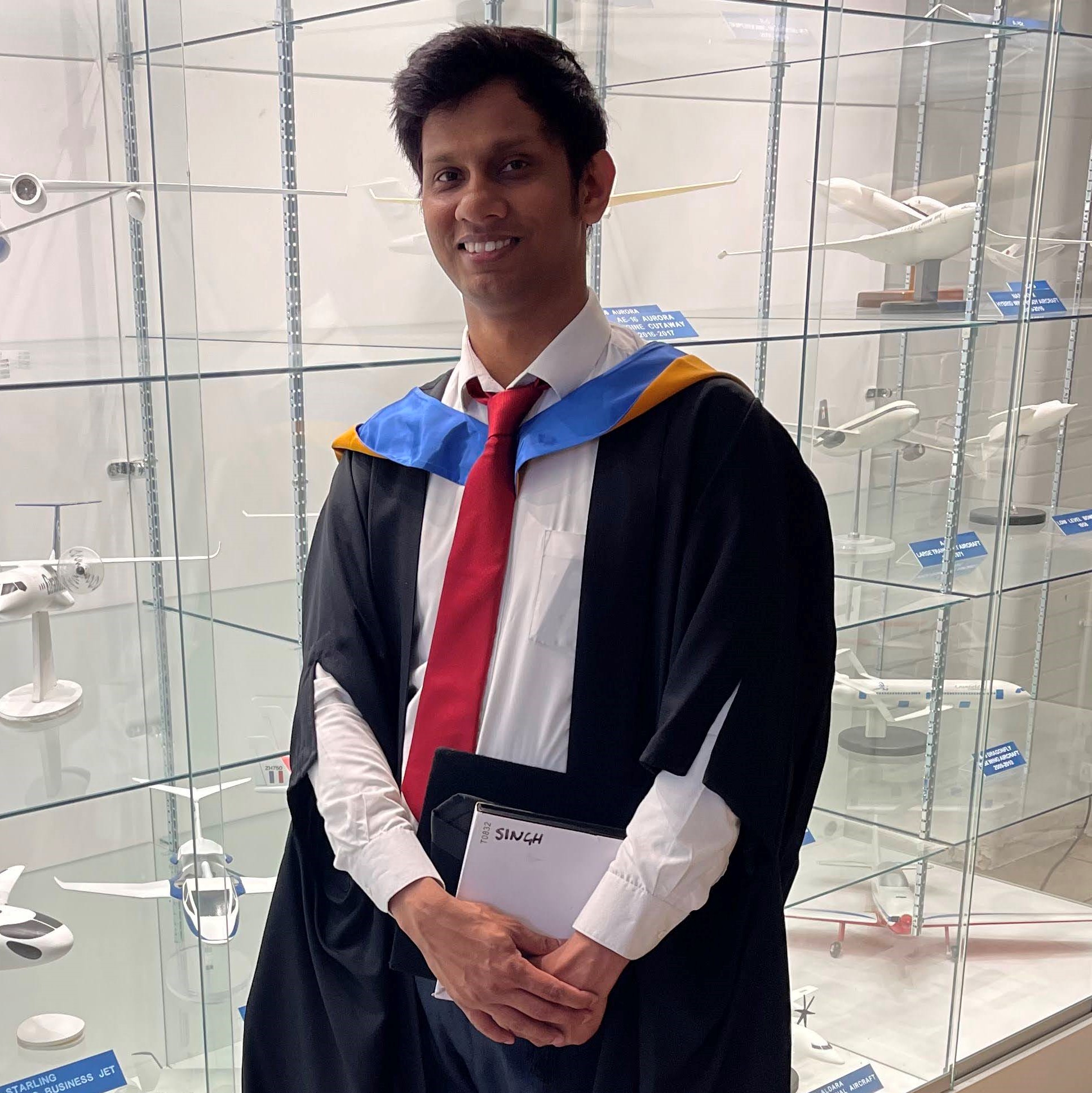
Engineer · Innovator · Award Winner
Mechanical & Aerospace Design Engineer with 8+ years driving products from concept to validated prototype — from the structural design of the flagpoles at JPMorgan Chase's New York headquarters to Suzuki's first sunroof (leading a team of 5), eVTOL aircraft and cryogenic hydrogen tanks — with an MSc from Cranfield University (Newell Prize, top of cohort) and 2 patents. What sets me apart today is how I work: I build my own AI-assisted tools that automate the slow, repetitive parts of the design cycle, so I deliver more, faster, with the same rigour.
I'm a design and development engineer at heart — CAD, FEA, CFD, GD&T, and the discipline of turning a requirement into a manufacturable, validated product. That's the work I love and the roles I'm targeting in mechanical and aerospace.
What makes me unusually effective is that I build tools to do the tedious work for me. Using AI-assisted development I've created real, working engineering applications that compress tasks which used to take specialists days into jobs anyone can run in minutes — the kind of automation that removes up to 80% of the manual effort from an analysis loop.
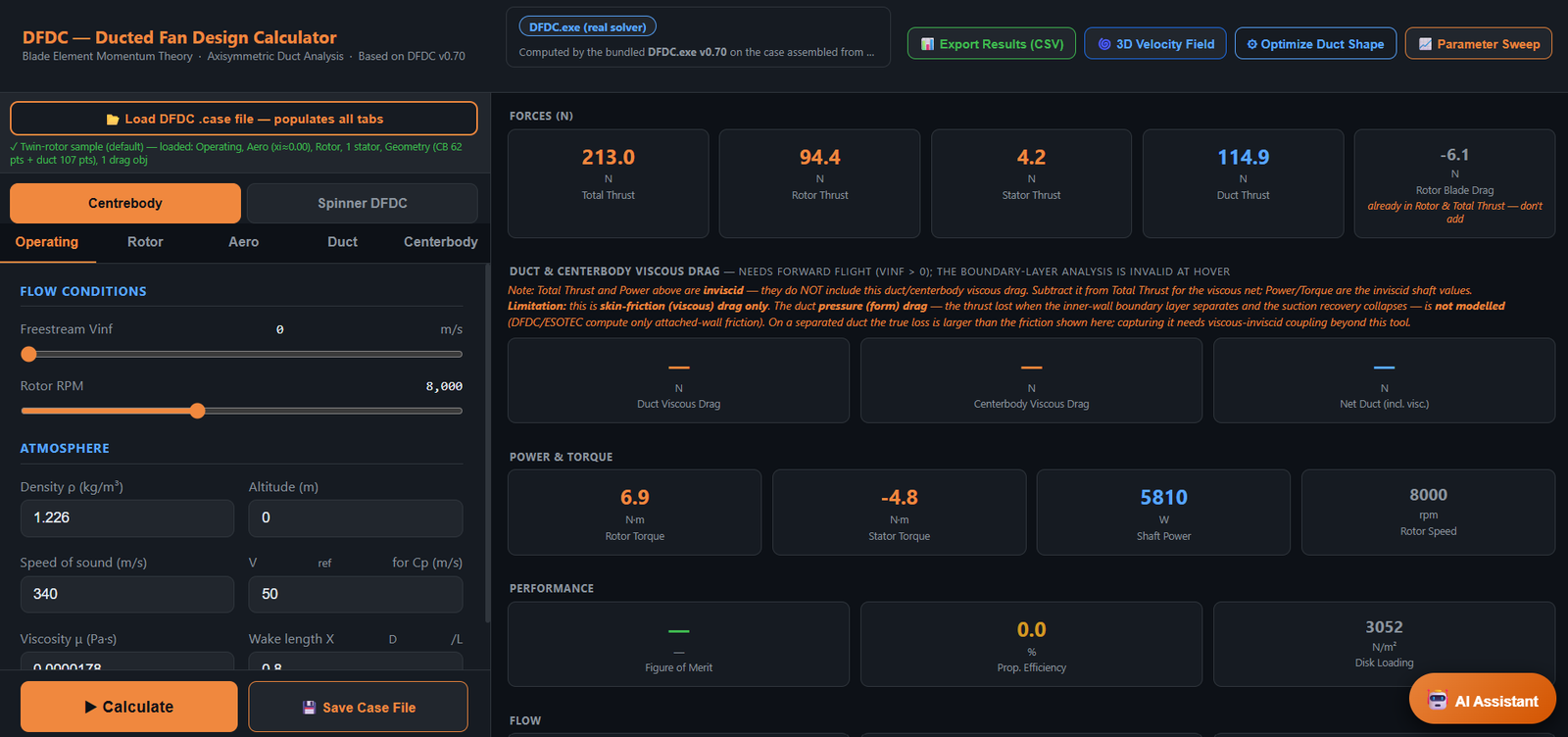
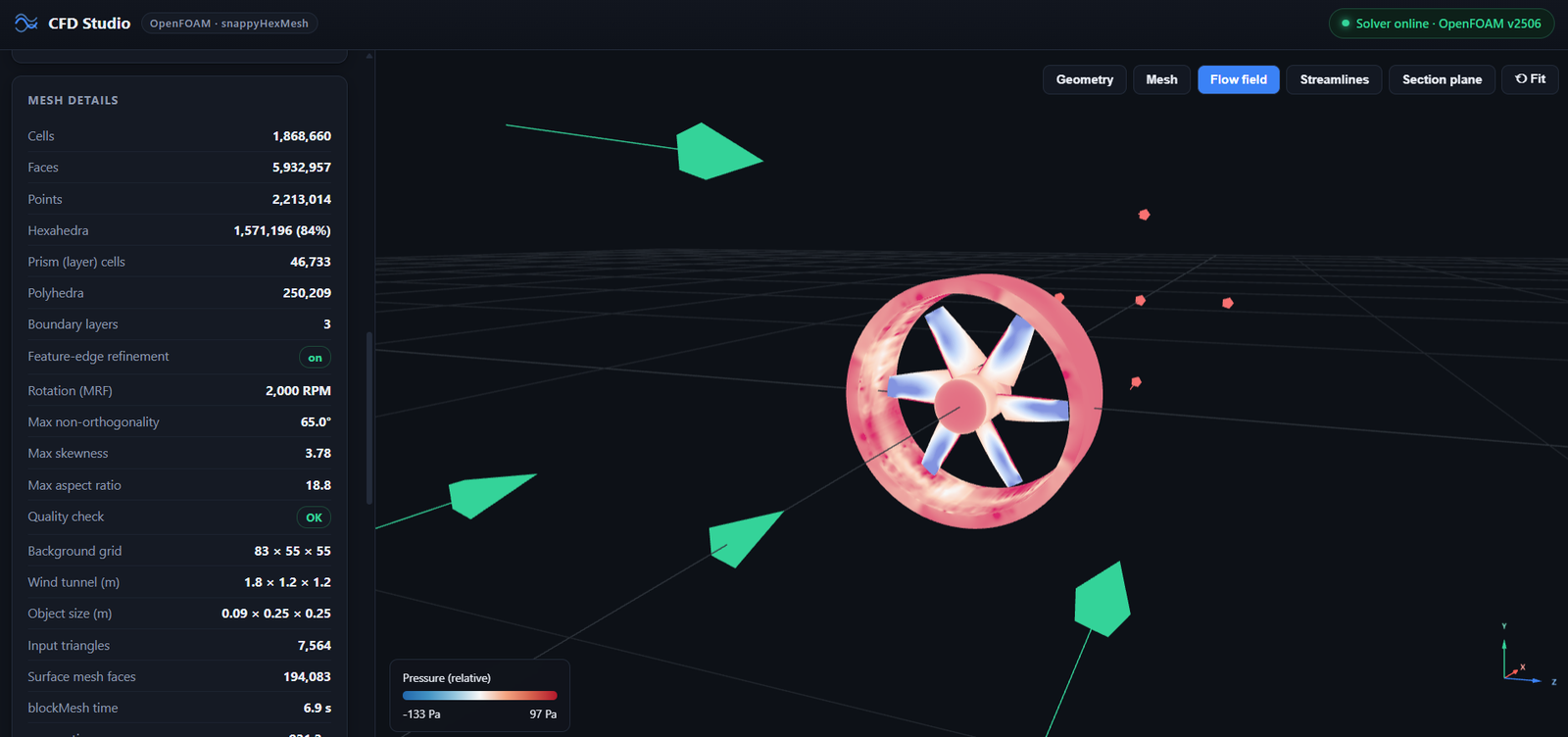
The proof is live and hands-on. DFDC Cloud turns a legacy command-line aerodynamics solver into a one-click web tool. CFD Studio puts an early-stage wind-tunnel check in the browser. An employer gets an engineer who not only does the work, but continuously makes the whole team faster.
MSc Aerospace Vehicle Design · 82%+ · Newell Prize Winner
8+ years automotive BIW & aerospace structural design · led teams of 5
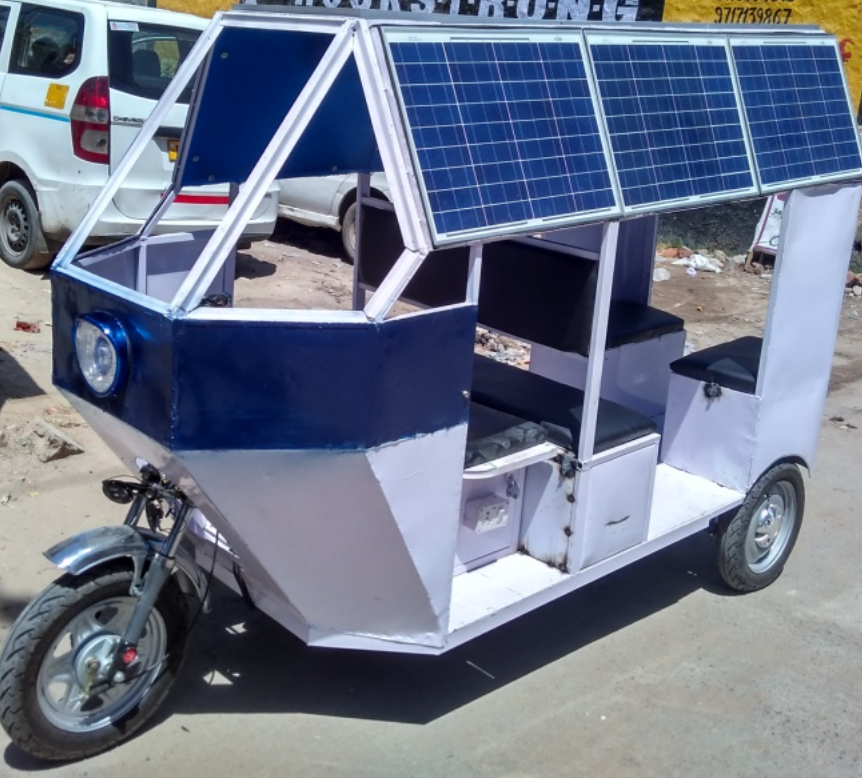
Solar e-rickshaw design · Roof rail reinforcement — Maruti Suzuki
Builds AI-assisted engineering tools that automate design tasks and cut manual workload by up to 80%
Core engineering discipline · sharpened by AI-assisted tooling
Parametric product design in CATIA V5, Siemens NX & SolidWorks — from automotive BIW structures to full aircraft assemblies
Structural, modal, fatigue & buckling analysis in ANSYS Workbench; aerodynamics with Fluent, OpenFOAM & XFLR5
Tolerance & stack-up analysis, design for manufacturing, and structural analysis for production-ready parts
Builds custom tools with AI that automate meshing, solving & reporting — turning specialist, days-long tasks into minutes
Aerospace, automotive & clean-energy work across 8+ years
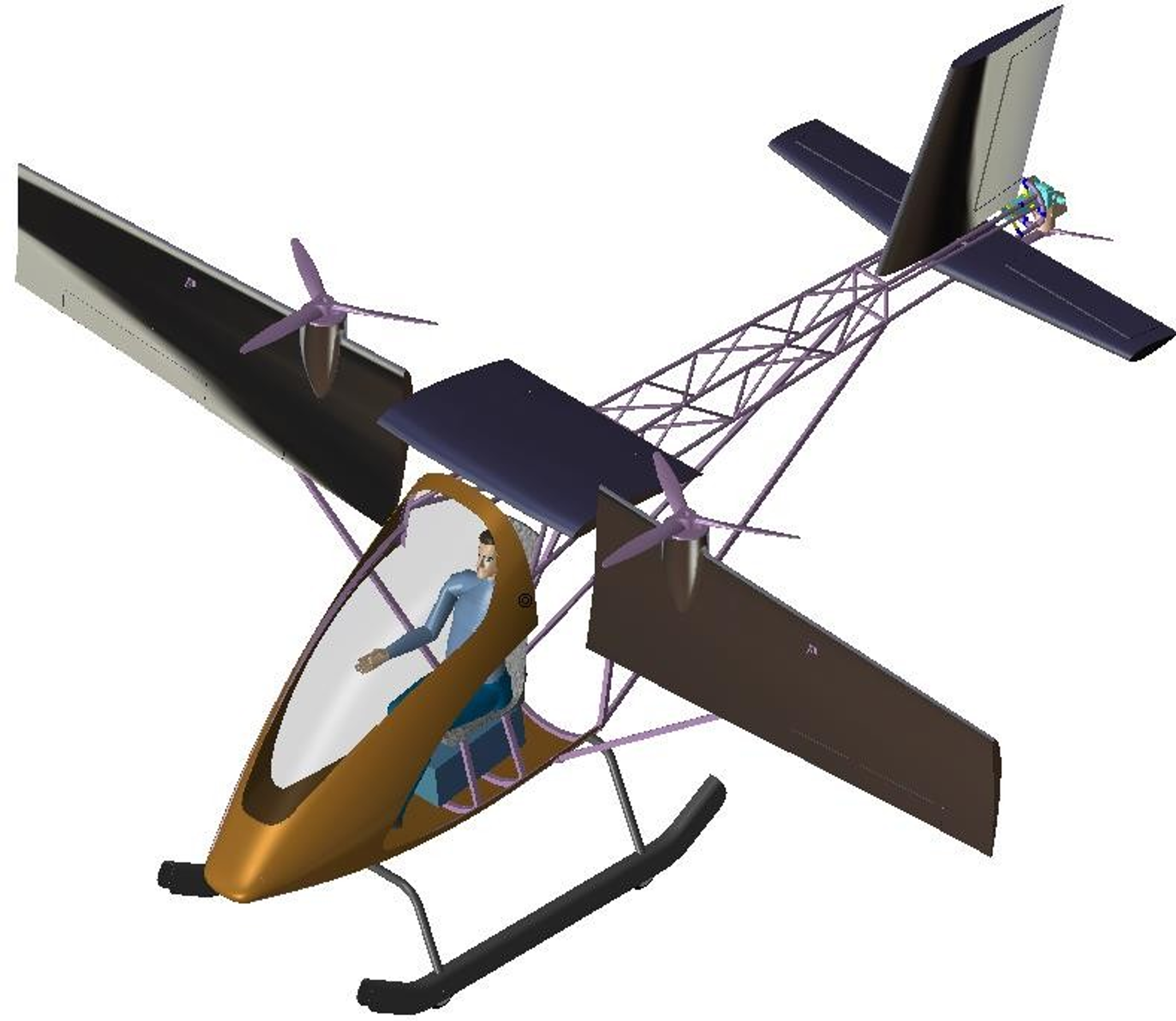
265 kg ultralight electric VTOL for urban air mobility. Modeled in CATIA V5, analyzed with Ansys & NASTRAN.
Explore
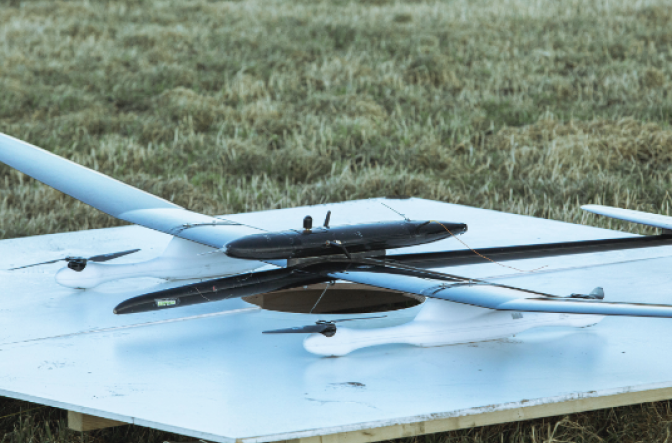
Airborne wind energy system generating 100KW from high-altitude winds using a tethered kite aircraft.
Explore
India's first solar electric vehicle — patented design, 10,000 km on Delhi roads, 50% mileage increase.
ExploreMy edge: I build tools that take the grind out of the design cycle
Before: DFDC, a specialist aerospace solver, ran only as a 40-year-old command-line program each engineer had to install and wrestle with locally. After: a clean web tool anyone can open in a browser and run in one click — same trusted solver, with an AI assistant to explain inputs and results. Design iterations that meant fighting the toolchain now take minutes.
Before: an early aerodynamics check meant a CFD specialist, manual meshing and days of case setup. After: upload a 3D model and the tool auto-meshes it, runs an OpenFOAM solve and returns drag/lift numbers with a pressure-mapped 3D view — a first-pass answer in minutes, freeing specialists for the analysis that truly needs them.
Quick facts about Vikram Pratap Singh
Vikram Pratap Singh is a Mechanical & Aerospace Design Engineer based in Brighton, United Kingdom, with more than eight years of experience. He has worked on automotive body structures at Honda and Maruti Suzuki, and on aircraft and wind-energy structures at Aerotrope. He holds an MSc from Cranfield University (Newell Prize) and two patents.
Structural analysis and product design: static, modal, fatigue and buckling analysis in ANSYS Workbench and MSC NASTRAN, with CAD in CATIA V5, Siemens NX and SolidWorks, and CFD in ANSYS Fluent and OpenFOAM.
He builds AI-assisted engineering tools. DFDC Cloud puts a legacy ducted-fan aerodynamics solver on the web, and CFD Studio runs an early-stage aerodynamics check in the browser. Both are live at connectvikram.com/DFDC and connectvikram.com/CFD.
He is based in Brighton, United Kingdom, and is open to mechanical and aerospace engineering roles. Contact: vikramjuly13@gmail.com, or through the contact page on this site.